What We Do
Built for landlords who want results, not runaround
Full-service management and lease-only tenant placement across East Contra Costa County.
On-Time Rent Collection
No more chasing payments. We get your rent paid on time, every month.
Schedule a ConsultationHigh-Quality Tenants
Strict screening and strong leases place reliable renters who stay longer.
Lease-Only ServiceMaintenance, Handled
We coordinate trusted vendors so you never field after-hours repair calls.
Maintenance CoordinationClear Reporting
Easy-to-read monthly owner statements show exactly how your investment performs.
Schedule a CallLease-Only Service
Professional marketing, screening, and lease signing for owners who self-manage, without a full management commitment.
Explore Lease-OnlyHow It Works
From first call to placed tenant
A clear path for East Contra Costa landlords, whether you need full service or lease-only placement.
- 1
Free consultation
Tell us about your property, goals, and how hands-on you want to be.
- 2
Market review
We walk the unit, review comps, and outline rent range and compliance needs.
- 3
Custom plan
Full-service or à la carte: lease-only, maintenance, renewals, or complete management.
- 4
Place and protect
Marketing, screening, lease execution, rent collection, and transparent reporting.
Landlord Tools
Tools to help you decide
Free calculators and checklists built for East Contra Costa property owners.
Property Management Cost Estimator
Find out the real numbers behind DIY management vs. professional help.
Calculate your costAccidental Landlord Survival Kit
Free guide for first-time or unplanned landlords in Contra Costa County.
Get the free kitLandlord Compliance Self-Assessment
Quick check on 2026 California rental law obligations for your property.
Check complianceVacancy Loss Calculator
Estimate daily and annualized cost of an empty rental unit.
Calculate vacancy lossFind out what your property will rent for
Get a free rental analysis for Pittsburg, Antioch, Brentwood, Oakley, and Bay Point. We review comps, condition, and local demand so you price with confidence.
Clear Pricing
Management fees that match your service level
Every property is different. We provide a custom quote after reviewing your unit, rent range, and how hands-on you want to be.
Request a custom quote- Transparent monthly owner statements
- No surprise maintenance markups on approved vendors
- Full-service and DIY options for every portfolio size
- Custom quote after property review (fees vary by service level)
Local Expertise
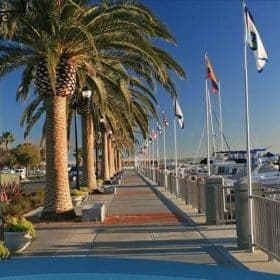
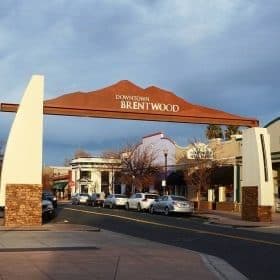
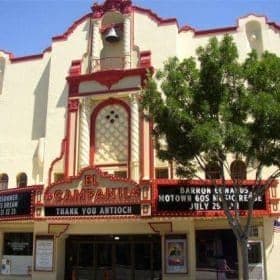
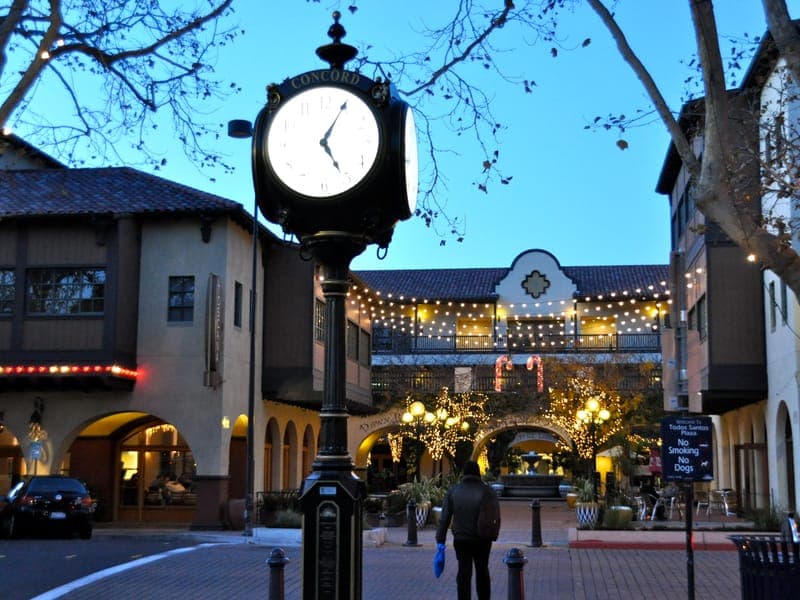
Proudly serving East Contra Costa County
From our Pittsburg office to communities across the region.



For Residents
Current and future tenants
Fair, responsive property management for renters across East Contra Costa County.
Maintenance requests
Report a repair through your resident portal or call our Pittsburg office during business hours.
Resident portalAvailable rentals
Browse current vacancies in Pittsburg, Antioch, Brentwood, Oakley, and Bay Point.
View available homesQuestions?
Our team responds to resident questions promptly and treats every home with care.
Call (925) 336-3282Client Stories
Words from owners and tenants
Real feedback from people we serve across East Contra Costa County.
From one professional to another, I would highly recommend Wolfgang and his property management services. His team is always looking for ways to improve and offer a better customer experience.
"Wolfgang knows his business as a property manager. I have had much less headache as a landlord since he became my manager."
"Croskey Real Estate is definitely very responsive and professional. I have been a tenant with them for over 10 years due to their work ethics."
"It is a pleasure working with Wolfgang. He started managing my property as of January and is doing a great job."
Real Answers
Common landlord questions
Service area, offerings, and how to get started in East Contra Costa County.
What areas does Croskey Real Estate serve for property management?
Croskey Real Estate manages rentals across East Contra Costa County from our Pittsburg, CA office, including Pittsburg, Antioch, Brentwood, Oakley, Bay Point, and surrounding communities.
What property management services does Croskey offer?
We offer full-service management (tenant placement, rent collection, maintenance, and reporting) plus one-time DIY services such as lease-only placement, mid-lease condition assessments, maintenance coordination, and lease renewals.
Who is the broker of record for Croskey Real Estate?
Wolfgang Croskey, DRE #01708438, is broker of record. Croskey Real Estate holds DRE brokerage license #01990430 at 745 Railroad Ave, Pittsburg, CA 94565.
How can East Contra Costa landlords get started with Croskey?
Call (925) 336-3282 Monday through Friday, 9 AM to 5 PM, or email info@croskeyrealestate.com to schedule a property management consultation. You can also explore landlord tools and guides in our Resources library.
Talk to Our Team
Contact Croskey Real Estate
Questions about property management in East Contra Costa? Send a message and our Pittsburg team will respond during business hours (Mon-Fri, 9 AM to 5 PM).
745 Railroad Ave, Pittsburg, CA 94565
East Contra Costa Landlords
Tired of managing your rental alone?
Late-night maintenance calls, tenant issues, California rental law. Hand it to a local team that knows East Contra Costa.