Best Practices for Handling Tenant Maintenance Requests
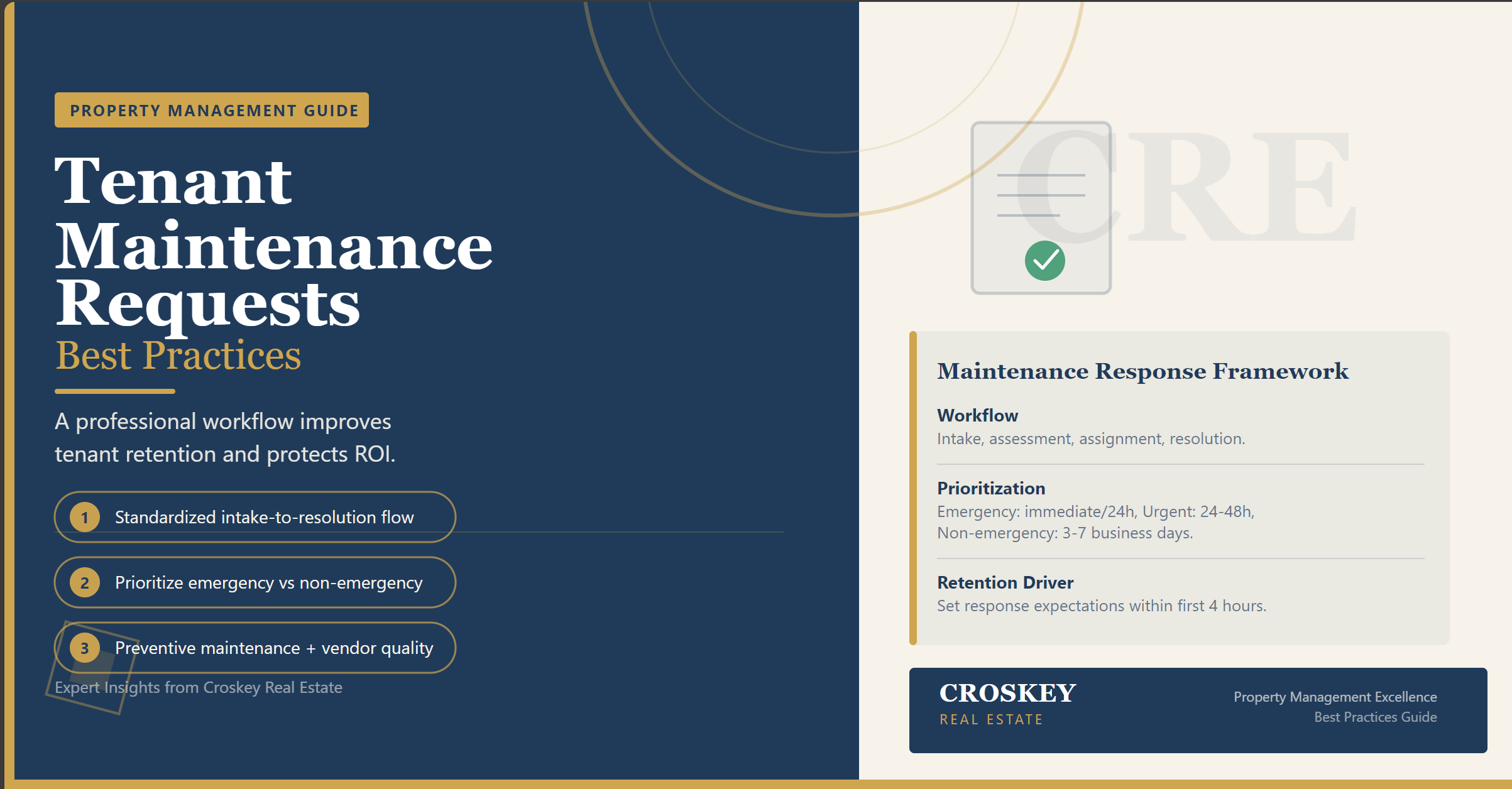
In this guide, we break down the industry best practices for handling repair requests, ensuring landlord responsibilities are met while optimizing your property management operations.
1. Establish a Clear Maintenance Workflow
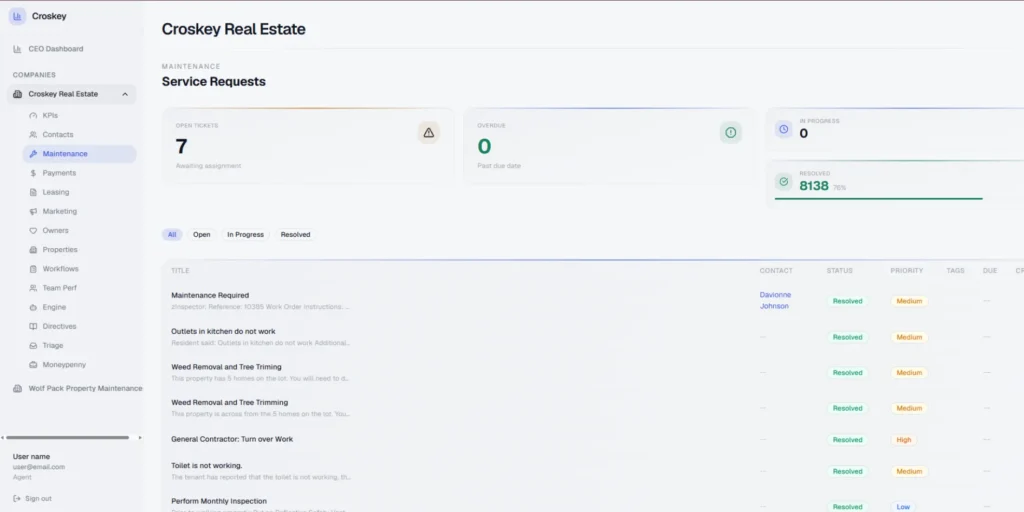
Intake: Centralize all service requests via a dedicated portal.
Assessment: Use issue prioritization to determine the urgency.
Assignment: Leverage vendor coordination to dispatch the right professional.
Resolution: Close the loop with maintenance tracking to ensure the job was finished to standard.
A fragmented process leads to missed emails and frustrated tenants. Every service request should follow a standardized path from intake to completion. Efficient maintenance handling starts with a digital portal where tenants can submit request documentation, including photos and descriptions of the issue.
2. Mastering Issue Prioritization
| Category | Examples | Required Response Time |
|---|---|---|
| Emergency | Burst pipes, gas leaks, total loss of heat/water, electrical fire hazards. | Immediate / Within 24 hours |
| Urgent | Broken refrigerator, leaking faucet, partial power loss. | 24 – 48 hours |
| Non-Emergency | Running toilets, cabinet hardware issues, cracked tiles. | 3 – 7 business days |
3. The Power of Preventive Maintenance
By conducting seasonal inspections and routine property upkeep (such as HVAC filter changes and gutter cleaning), landlords can extend the lifespan of expensive appliances and systems. This proactive approach reduces the volume of tenant maintenance requests and protects the property’s ROI.
4. Effective Vendor Coordination
Frequently Asked Questions (FAQ)
What are the legal landlord responsibilities for repairs?
How does maintenance tracking help property owners?
Why is response time so critical for tenant satisfaction?
Summary of Best Practices
● Prioritize emergency vs. non-emergency repairs to manage resources effectively
● Maintain open tenant communication throughout the repair process
● Invest in preventive maintenance to reduce long-term costs